Environment
Raukkan is located on the shores of Lake Albert and sits within one of Australia's most important wetland areas. Covering approximately 140,500 ha in South Australia, as a Wetland of International Importance under the Ramsar Convention on Wetlands in 1985.
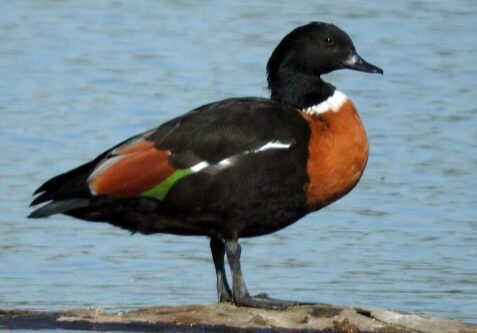
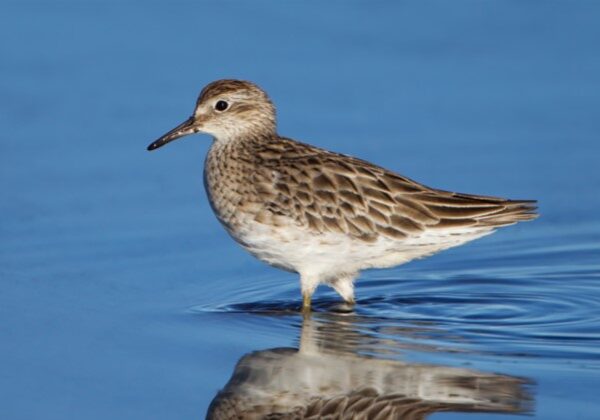
Lakes Alexandrina and Albert are comprised of freshwater to hypersaline waters. These unique wetlands provide a diversity of ecological features and wide range of habitats. The unique wetlands support nationally and internationally threatened species, Waders and waterfowl are the predominant species, including the Curlew Sandpiper, Banded Stilt, Red-capped Plover, Masked Lapwing, Redkneed Dotterel, Black Swan, Cape Barren Goose, Musk Duck, Straw-necked Ibis, Royal Spoonbill, Rufus Night Heron and Australian Pelican.
Lake Albert is included within the boundary of the Lakes Alexandrina and Albert Important Bird Area which is an area considered by BirdLife International to be a place of ‘international significance for the conservation of birds and other biodiversity. Raukkan and surrounds provide excellent viewing and birdwatching opportunities.
Teringie wetland complex encompasses an area of approximately 490 ha on Lake Alexandrina, of which 270 ha is envisaged as being actively managed. The wetland is located three km south west of the Raukkan community township. The wetland is culturally very significant for the Ngarrindjeri people, the traditional owners of the region. Teringie is the Ngarrindjeri name for “burial ground”. There are two significant sites within the wetland complex. The wetland area encompassed traditional hunting grounds for the Cape Barren Goose, ducks and kangaroos. Cyperus gymnocaulos is still used by women for basket weaving and the wetland is still used for community recreation and is planned to be part of future trails development.